
Helping Kids Reset: Everyday Self-Care That Actually Works
Parenting today often feels like a cycle of school demands, activities, screens, and bedtime negotiations. Kids feel it too—sometimes more loudly, sometimes quietly. Self-care for children isn’t indulgent or complicated; it’s about giving them simple ways to release stress, regain balance, and feel good in their own skin. When woven into daily life, these activities help kids reset and come back refreshed.
Quick Takeaways
- Small, consistent activities matter more than big plans.
- Physical movement and creativity often work faster than words.
- Kids reset best when they have choice and predictability.
- Calm routines help emotional regulation stick.
Why Kids Need Regular Reset Moments
Children process emotions through their bodies and routines, not long conversations. A short reset can turn a tense afternoon into a calmer evening, or help a restless weekend feel grounded. Self-care builds emotional awareness, supports focus, and reminds kids they have tools to feel better when things feel “off.”
The Power of Movement, Especially Playing Soccer
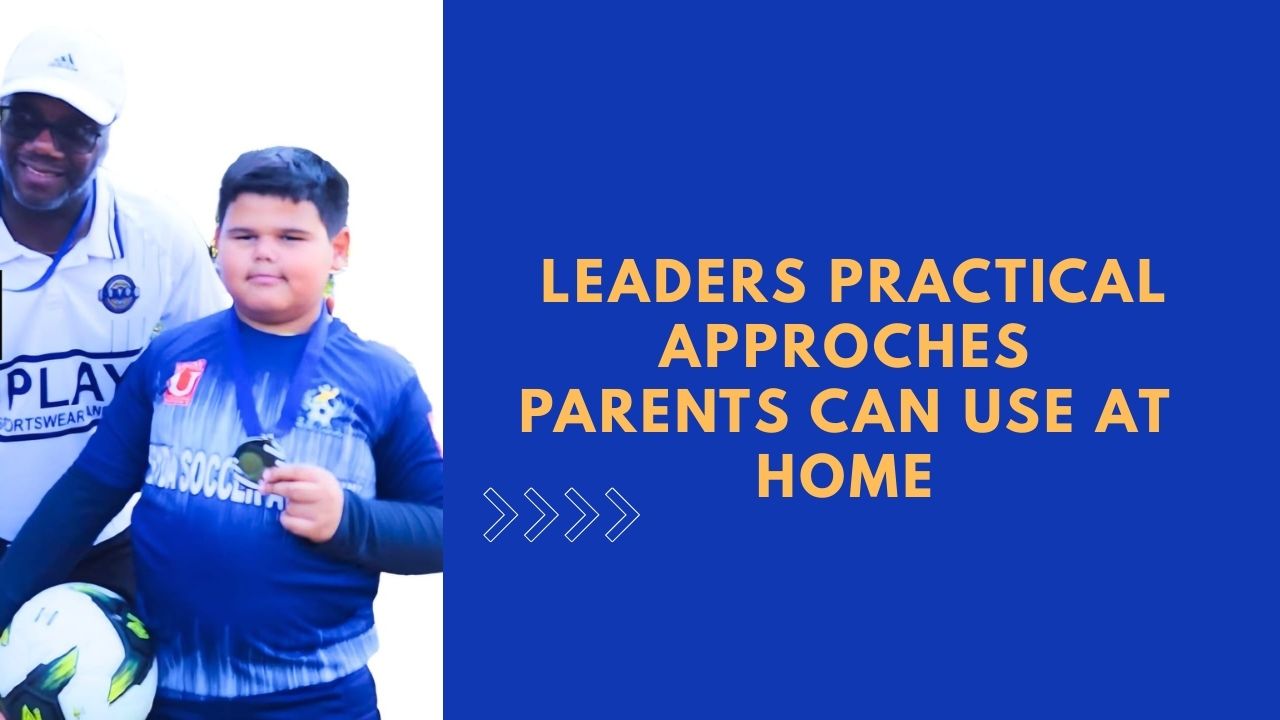
Physical play is one of the fastest ways for kids to shake off stress, and playing soccer stands out for a reason. It combines running, coordination, teamwork, and goal-setting in a way that feels fun rather than corrective. Kicking a ball around the yard or at practice lets kids release pent-up energy and frustration without needing to explain how they feel. Soccer also teaches rhythm—bursts of action followed by pauses—which mirrors healthy emotional regulation. Even casual play after school can help kids transition from “wired” to relaxed.
Creative Time That Belongs to Them
Encouraging your child to explore art gives them a safe space to express feelings they may not have words for yet. Drawing, painting, or crafting allows emotions to move outward instead of staying bottled up. Over time, you may notice themes that reflect what’s happening in their world, which can open gentle conversations.
To preserve these creations without clutter, many parents scan their child’s artwork and save it as PDFs for easy storage. Using a PDF merging tool helps keep all their art organized in one place. This may help you create a meaningful digital archive.
Quiet Self-Care Kids Can Do Alone
Not every reset needs to be active or social. Some kids recharge best in stillness, especially after busy days. Quiet self-care teaches independence and self-awareness, skills that grow with age.
Simple Reset Ideas and When to Use Them
This overview helps parents match activities to moments of need.
Activity Type | Best Time to Use It | Why It Helps |
Soccer or free play | After school | Burns stress hormones quickly |
Drawing or crafts | Late afternoon | Encourages emotional expression |
Reading alone | Before bed | Signals the brain to slow down |
Deep breathing | During meltdowns | |
Nature walks | Weekends |
Creating a Routine That Sticks
Consistency matters more than perfection when it comes to self-care habits. The goal is to make these moments feel natural, not forced. This approach helps families create rhythms kids can rely on.
- Notice when your child seems most overwhelmed.
- Offer two self-care options and let them choose.
- Keep the activity short and predictable.
- Repeat it at the same time for a few days.
- Talk briefly afterward about how it felt.
Parent-Focused FAQs About Kids’ Self-Care Routines
Parents often want reassurance before committing to new routines at home. These questions address common concerns when supporting a child’s emotional reset.
How do I know which self-care activity my child needs?
Pay attention to their energy level and mood first. High-energy frustration often needs movement, while quiet withdrawal may need calm, creative space. Trial and observation usually reveal patterns within a week.
Is playing soccer too stimulating before homework?
For many kids, short soccer play actually improves focus afterward. Physical exertion helps regulate the nervous system, making it easier to sit and concentrate. Keeping it time-limited prevents overstimulation.
What if my child resists self-care activities?
Resistance often means the activity feels imposed rather than supportive. Offering choices and modeling self-care yourself reduces pushback. Over time, kids usually adopt what feels good to them.
How much time should self-care take each day?
Even 10 to 20 minutes can make a difference when done consistently. The goal is a reset, not a full schedule block. Quality and timing matter more than duration.
Can screens ever count as self-care?
Screens can be calming in small doses, especially for connection or creativity. However, passive scrolling rarely helps kids reset emotionally. Balance screen time with physical or creative outlets.
Should self-care replace discipline or structure?
Self-care complements structure; it doesn’t replace it. When kids feel regulated, rules and routines work better. Think of self-care as maintenance that keeps everything else running smoothly.
Conclusion
Helping kids reset doesn’t require expert tools or perfect routines. Small, thoughtful activities—like playing soccer, creating art, or simply slowing down—give children a sense of control over their feelings. When parents normalize self-care early, kids learn that resetting isn’t a failure; it’s a skill. Over time, those moments add up to calmer days and more resilient kids.