Leaders practical Approches parents can use at Home
Growing Tomorrow’s Leaders: Practical Approaches Parents Can Use at Home
Leadership isn’t one big moment—it’s a long series of tiny, teachable ones. Parents often wonder whether leadership is innate or learned, but the truth sits somewhere in the middle: children come equipped with potential, and adults build the scaffolding that lets that potential expand. The good news? Everyday life offers dozens of opportunities to help kids practice confidence, responsibility, empathy, and initiative.
Quick Summary
Kids learn leadership through repetition, modeling, and real responsibility. Small tasks prime them for big roles later. Environments that mix structure with freedom build decision-making muscles. And the adults they watch—especially you—become their first blueprint for leading well.
Leadership-Building Approaches
Different families lean on different strategies. Here’s a quick comparison to spark ideas:
Approach | What It Builds | Where It Works Best | Parent Role |
Task Ownership | Confidence, initiative | Chores, routines, school prep | Provide clear goals, step back |
Collaborative Problem-Solving | Communication, empathy | Homework hurdles, sibling conflict | Guide questions, not answers |
Community Participation | Purpose, responsibility | Volunteering, clubs | Support follow-through |
Creative Autonomy | Innovation, resilience | Art, science projects | Offer tools, avoid micromanaging |
Helping Children Step Into Leadership Through Their Own Choices
Leadership begins with ownership. When kids feel responsible for outcomes, they naturally begin practicing planning, communication, and follow-through. Assigning age-appropriate responsibilities—packing their sports gear, planning a family breakfast menu, or choosing how to organize their workspace—gives them a platform for growing decision-making skills.
Use this if you want guardrails without being overly rigid:
- Define one clear responsibility (feeding a pet, managing a morning routine).
- Let your child determine the method, even if it’s different from yours.
- Set a recurring check-in, not to correct them, but to ask what’s working.
- Celebrate process, not perfection.
- Gradually expand the scope as confidence builds.
Modeling Leadership by Earning a Degree
Children mirror what they see. When adults pursue growth, kids internalize the idea that leadership begins with self-improvement. One powerful way parents model leadership is by advancing their own education. Many adults choose to strengthen career opportunities by earning an online degree—an intentional, disciplined decision that demonstrates commitment and long-term thinking.
Parents exploring healthcare programs through this resource can also show their children how investing in education can help improve the well-being of individuals and families. And because online programs allow flexible scheduling, adults can balance work, learning, and parenting responsibilities without losing momentum.
Leadership Lessons Kids Learn Through Sports
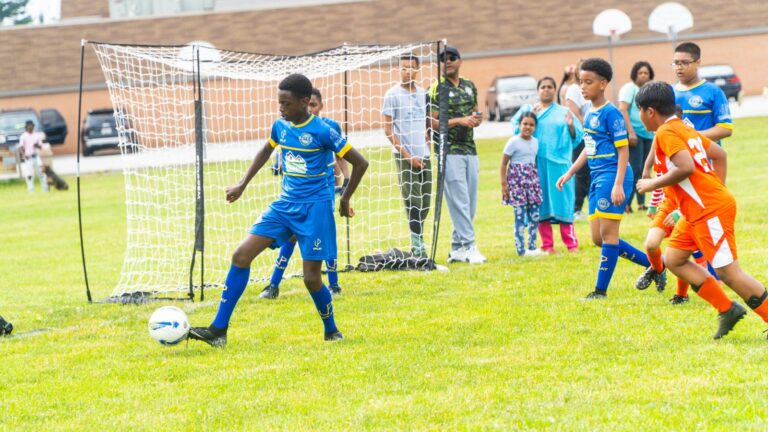
Structured extracurricular programs give kids real opportunities to practice leadership—working as a team, staying disciplined, and setting goals they care about. These environments naturally push children to communicate, collaborate, and take responsibility for their actions.
ESYDA, a year-round nonprofit soccer academy, does this exceptionally well. Through both recreational and competitive training, ESYDA helps young athletes develop confidence, resilience, and a strong sense of community. Enrolling children reinforces the leadership habits parents teach at home, giving kids a supportive place to put those lessons into practice.
Small Daily Actions That Shape Strong Leaders
- Encourage kids to explain their thinking aloud (promotes clarity).
- Rotate “family meeting leaders” so each child gets to set an agenda.
- Introduce simple budgeting tasks to promote responsibility.
- Let kids negotiate solutions with siblings before stepping in.
- Ask them to identify causes they care about and brainstorm actions.
- Use “leadership moments” to name traits: courage, patience, empathy, follow-through.
These small routines accumulate into meaningful, internalized leadership habits.
FAQs
Q: What age is best to start teaching leadership?
Leadership lessons can begin as early as preschool—simple responsibilities and small choices are enough.
Q: What if my child is shy?
Shyness doesn’t block leadership. It often creates reflective, observant leaders. Encourage quiet confidence and allow them to lead in low-pressure settings.
Q: How do I avoid being too controlling while guiding them?
Offer frameworks, not solutions. Ask guiding questions like: “What’s your plan?” or “What outcome do you want?”
Q: Are group activities necessary?
Not required, but helpful. Collaboration teaches skills parents can’t replicate alone at home.
Conclusion
Leadership grows in the spaces where children feel trusted, capable, and supported. Parents who model growth, provide structured opportunities, and encourage choice-making help kids develop confidence and resilience. No single method defines leadership development—what matters is the ongoing pattern of guidance and autonomy. With small, steady steps, children learn to lead themselves first, and others next.